Is your property overdue for pressure washing? It’s always frustrating when your property’s exterior becomes dirty, but pressure washing is the best way to solve this problem. However, you might not even know how this process works, which will prevent you from cleaning your home or business’s exterior yourself. In this blog, we’ll review how to pressure wash surfaces, as well as provide you with tips and tricks to streamline the process.
Don’t want to do your own pressure washing? Instead of learning how to pressure wash, you can always reach out to us for an appointment. We are Water Works Services, and we are always prepared to serve our clients in the Chesapeake, VA community.
What Is Pressure Washing?
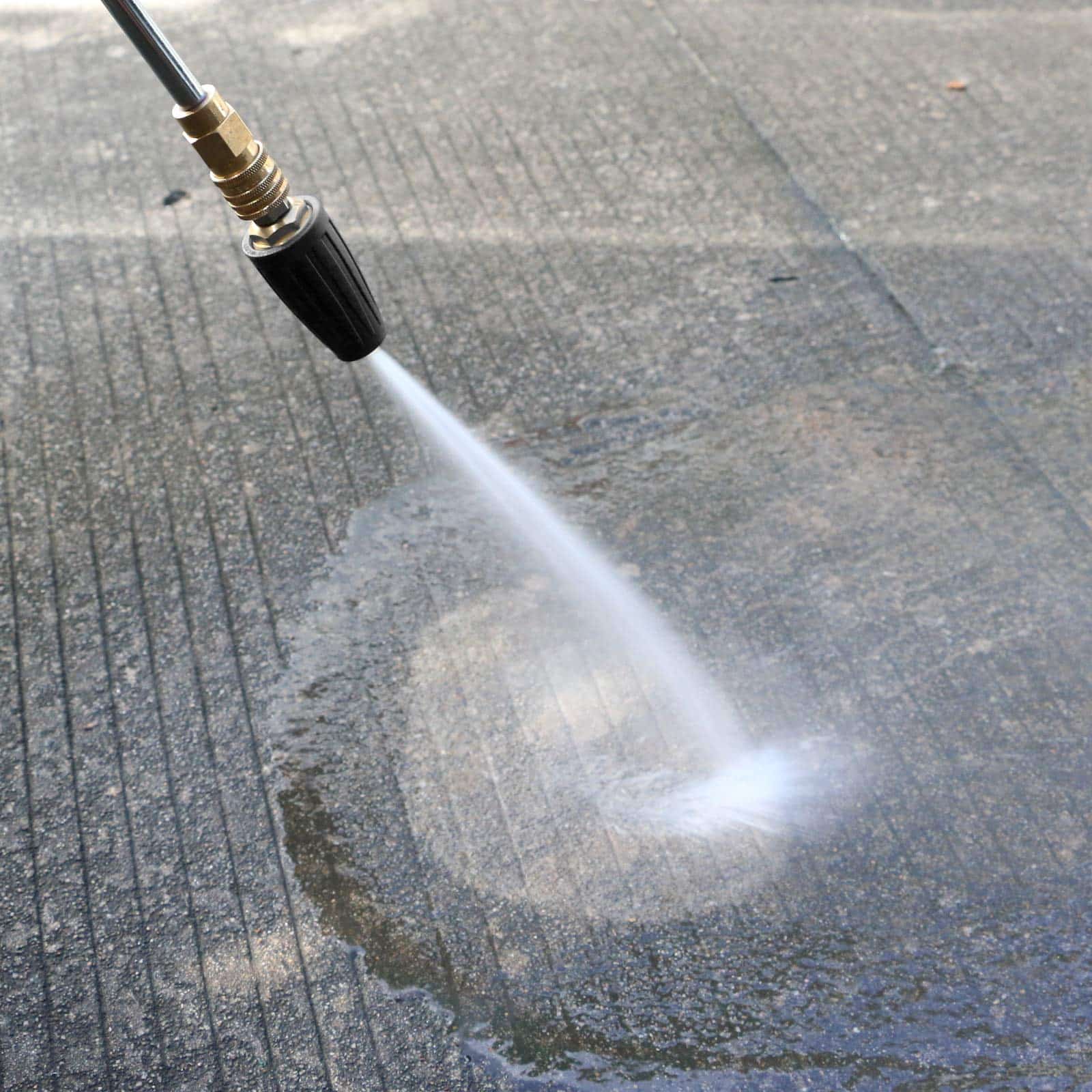
So, you want to learn how to pressure wash. Before anything else, it’s important to explain what exactly pressure washing is. This cleaning technique uses high-pressure water to remove debris from exterior surfaces. Pressure washing is highly effective, allowing you to remove dirt, moss, mold, algae, pollen, dead insects, bird droppings, and many other substances from these surfaces. Because of this, pressure washing is relied upon by property owners all across the world!
We highly recommend that you pressure wash your property’s exterior once per year. There are two key reasons for this. Firstly, it will drastically improve the appearance of exterior surfaces. Secondly, it will help these surfaces last longer! Pressure washing removes harmful debris and prevents it from damaging surfaces over time.
What Tools Do You Need For Pressure Washing?
You won’t be able to learn how to pressure wash without the correct tools. So, what will you need for the process? We’ve included a list of the required materials below.
- Pressure Washer. A pressure washer is a specialized piece of equipment that pressurizes water, allowing you to spray it onto exterior surfaces and rinse away all debris. This boosts property curb appeal.
- Hose Attachments. There are different attachments you can use with pressure washers, including various nozzles and a surface cleaning attachment that is best suited for driveways and other flat surfaces.
- Cleaning Solutions. Cleaning solutions break down stubborn debris so it can be more easily removed. We recommend sodium hypochlorite because it is safe for surfaces as well as the environment.
- Safety Gear. If you accidentally spray yourself with pressurized water, you can easily become injured. Reduce the risk of this by wearing safety gear, including goggles, gloves, full-length pants, and closed-toe shoes.
Plan For Your Specific Project
Before you leap into the pressure washing process, it is important to have a better understanding of the project ahead. But why? There are many different materials that can be pressure washed, including wood, metal, concrete, and vinyl. However, if you were to use the exact same technique for each of these materials, you would be mistaken. You’ll need to be sure to educate yourself because using the wrong amount of water pressure can result in property damage.
How much water pressure will you need for your work? We’ve added some common examples below for your consideration, but if you don’t see your project, a quick Google search will teach you what you need to know.
- Vinyl Siding: 100–300 PSI (soft wash only)
- Stucco: 100–300 PSI (soft wash only)
- Hardwood: 500–1,200 PSI
- Concrete: 2,500–3,500 PSI
Other Preparations to Make
If you are planning to pressure wash your property, there are a few more preparations you’ll need to make. First and foremost, have you given yourself enough time to complete the project? You’ll probably need a few hours to finish the work, if not more. Be sure to give yourself plenty of flexibility so you don’t have to rush through your project. If you rush, you’ll be stuck with lackluster results!
If the surfaces you want to clean are covered with objects, you’ll also need to move them out of the way. Otherwise, they’ll become damaged by the pressure washing process. Plus, they’ll get in the way of your work! Don’t forget to also sweep these surfaces before pressure washing them. This prevents small particles, such as pebbles, from being launched by pressurized water. This may even prevent a cracked window or windshield.
Pressure Washing Your Surfaces
With all preparations out of the way, you’ll be able to begin the pressure washing process. The first thing you should do, if necessary, is apply cleaning solutions to any areas afflicted by stubborn debris. A thin layer is all that is needed. Wait ten to fifteen minutes, and all grime should be significantly weakened. This will make it much easier to remove!
Now, with your pressure washer powered on and its hose in your hands, choose a corner of the surface you need to clean. Then, wash the surface in a series of rows. This makes it simple to keep track of what you’ve already washed and what you haven’t. As you go through this process, you may find yourself surprised at how effective pressure washing is! Your dirty surfaces will transform into bright, vibrant areas before your very eyes.
DIY or Professional Pressure Washing?
Learning how to pressure wash your own surfaces is a rewarding process. However, that doesn’t mean it will be easy. In fact, there are many struggles involved in the DIY pressure washing process. You’ll need to purchase the necessary equipment, learn how to use it, and conquer the project on your own. This process can easily take hours, if not days, of your time. So, if your schedule is already filled with things to do, consider scheduling professional pressure washing from a business near you.
At Water Works Services, it’s always our pleasure to serve our community, and we would love to serve you next. By scheduling an appointment with us, you won’t have to do any of the work on your own. Simply take some time to relax while our experts provide you with high-quality results. You’ll get it all for a reasonable price. Contact us online to get a free cost estimate today! We would love to hear from you.