Safety plays an important role in our everyday lives in Chesapeake, VA. We buckle our seat belts and pay attention to the road. We keep smoke detectors in our homes, and we even use doorbell cameras to lend our properties extra security. What you might not have known, though, is that safety is important during pressure washing projects, too. In fact, there are many pressure washing safety guidelines you should keep in mind as you work, and we’ll review them with you below.
Allow us to introduce ourselves first. We are Water Works Services, and it would be our pleasure to share what we know with you. Additionally, you can contact us anytime for a free cost estimate on our professional services!
Safety Should Always Come First
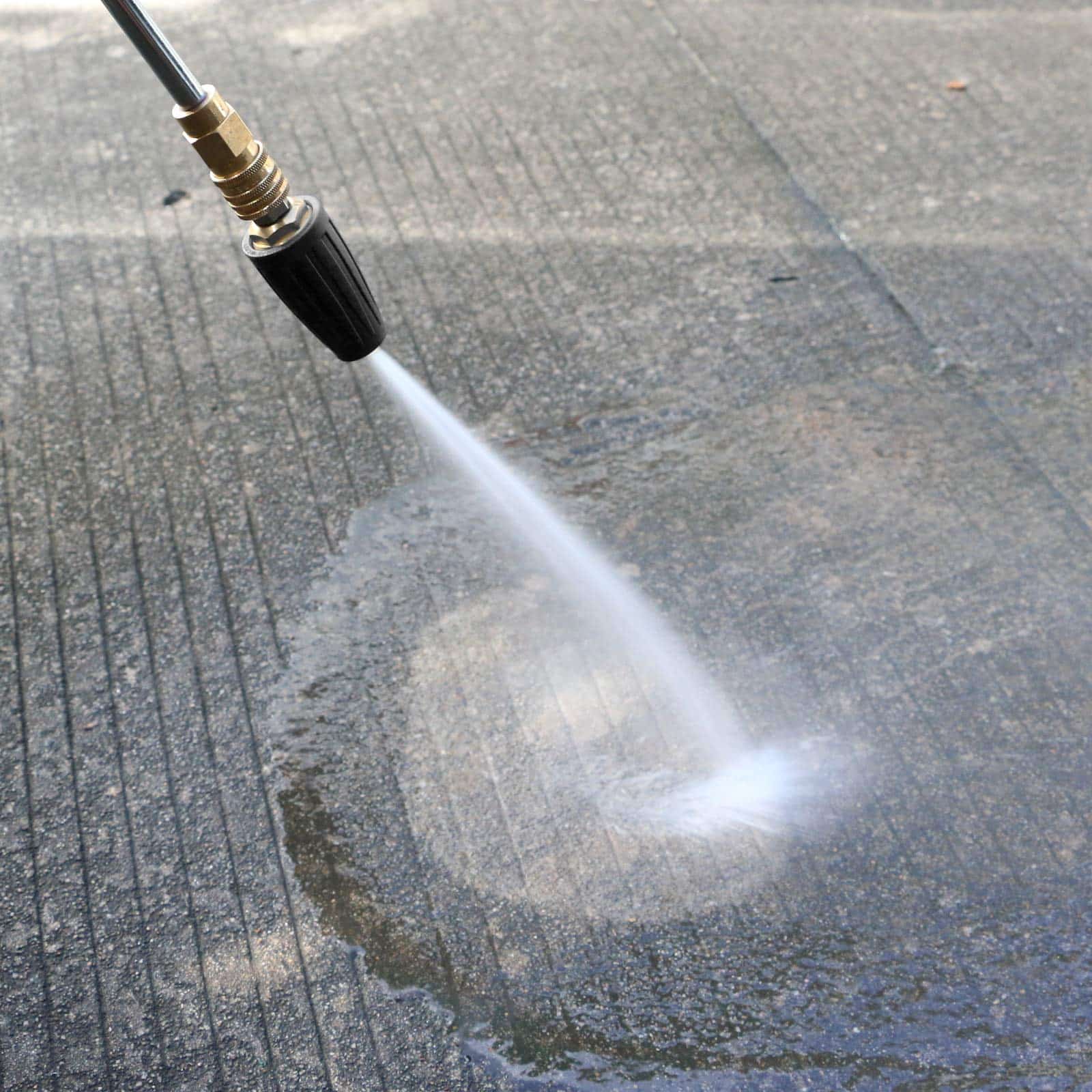
Pressure washing is relied upon by property owners in Virginia Beach, VA as well as the entire world. This exterior cleaning service uses jets of highly pressurized water to restore surfaces. Pressure washing is effective, yes. But it also comes with risks. Pressurized water is very powerful, which means it’s capable of causing injury or damage if mishandled. In fact, many DIY pressure washers wind up hurting themselves as a result of their work.
Because of this, we can’t stress the importance of pressure washing safety enough. Always put your safety first during your project. It will save you headaches—or maybe even medical bills—in the future.
Handle Pressurized Water With Care
As we’ve already mentioned, pressurized water is a force to be reckoned with. Because of this, it’s important that you handle it carefully. Whenever using your pressure washer, only point your hose at surfaces that you intend to clean. Only squeeze the hose’s trigger when you’re absolutely sure you are ready to spray. And whatever you do, you should never, ever point the hose at yourself. Spraying yourself could result in serious injury.
We also recommend that you let any housemates or family members know before you begin your pressure washing project. That way, they can steer clear of your work site. It’s especially important that you keep any children and pets away from the area you are pressure washing, too.
Remember to Wear Safety Equipment
We can’t stress the dangers of spraying yourself with high-pressure water enough. Because of this present risk, we highly recommend that you wear safety equipment to protect yourself. By covering your bare skin, the risk of bruising yourself or slicing open your skin with pressurized water is significantly reduced.
First and foremost, we suggest that you wear goggles to protect your eyes and gloves to shield your delicate hands. Additionally, you can’t go wrong with wearing closed-toe shoes and full-length pants during your project. The less bare skin you have exposed, the less likely you are to cause an injury to yourself.
Learn Appropriate Water Pressure Settings
Part of pressure washing safety is treating your property with the care it needs. This means that you’ll have to learn to custom-tailor your approach based on each surface you are cleaning. Pressure washing cannot be accomplished with some magic, universal setting. Each material requires a different approach, and you’ll have to adjust the water pressure level based on the project at hand.
We have included some basic pressure washing settings for you below, measured in PSI (pounds per square inch, a water pressure measurement). If you do not see your project in the list below, a quick Google search should help you locate the information you need.
- Asphalt roof shingles: 100–300 PSI, soft washing only
- Wood fencing: 500–1,000 PSI
- Vinyl siding: 500–1,000 PSI
- Brick pavers: 1,500–2,500 PSI
- Concrete driveways: 2,500–3,500 PSI
Use Cleaning Solutions Correctly
During your pressure washing project, it’s very likely that you will come across stains that aren’t easily removed. When your best attempts fail, don’t give up. It’s just a sign that you should use cleaning solutions, such as sodium hypochlorite, to weaken tough grime.
Here’s how to safely use sodium hypochlorite. First of all, don’t put it in your pressure washer’s detergent tank. Instead, use a spray applicator to put a thin layer of the chemical on the afflicted surface. Then, wait fifteen minutes for tough debris to be broken down. Finally, pressure wash the area one last time. Stubborn grime should rinse away with ease now.
A Quick Review of Ladder Safety
Some exterior cleaning projects will require the use of a ladder. That way, you can reach high surfaces, such as awnings and rooftops. However, any project involving a ladder drastically increases the risk of injury. As an important part of pressure washing safety, let’s review ladder safety guidelines together.
First, you must always make sure your ladder is set up in a stable area. If your ladder is rocking or wobbling when you step on the first rung, get off immediately! You will need to stabilize the ladder before you climb any further.
Additionally, you need to remember the rule of three points of contact during your project. This means that three of your four limbs must be on the ladder at all times. By following this simple guideline, you will drastically reduce the risk of falling and becoming injured.
Avoid Risks With Water Works Services
Pressure washing safety is important. If you are not confident that you can do this work correctly, maybe it’s best that you don’t invest your time and energy into the DIY process. What should you do instead? Reach out to Water Works Services—it would be our pleasure to revitalize your property’s exterior professionally and safely!
Leave it to us to do all this work for you. You can simply sit back and relax while our team of experts revitalizes your property. The best part is that we do it for a fair price. What you’ll pay is based on the size of your project. There are no hidden fees or surcharges. Get started today by contacting us online. We look forward to hearing from you in the near future!