Chesapeake, VA property owners have to put a lot of effort into keeping their homes and businesses clean. This doesn’t just include keeping up with indoor spaces. It also includes keeping exterior surfaces in the best possible condition. The question is, what’s the best way to do so? We highly recommend that you pressure or soft wash these surfaces. But when it comes to pressure washing vs. soft washing, which is best for your project?
In this blog, we’ll compare these two similar yet distinct techniques so you can make the best choice for your project. Then, you’ll have a choice to make. What strategy will you employ during your project? Or, will you let the team at Water Works Services do the work for you?
Why Clean Exterior Surfaces At All?
Before checking out the pressure washing vs. soft washing matchup, you might wonder if either of these techniques is necessary. Couldn’t you simply not wash these surfaces and let the rain handle it? This is a common misconception. While rain will rinse away some debris, it won’t get rid of it all. Deeper-seated debris will cling to surfaces, and even a heavy rain won’t be able to shake it loose.
This is why pressure and soft washing are so important. These techniques are designed to remove the grime that rainfall cannot. It’s the only way to bring back your property’s complete beauty. That’s why, when it comes to pressure washing vs. soft washing, it’s important to analyze the differences and pick the process that’s best for your project.
Introduction to Pressure Washing
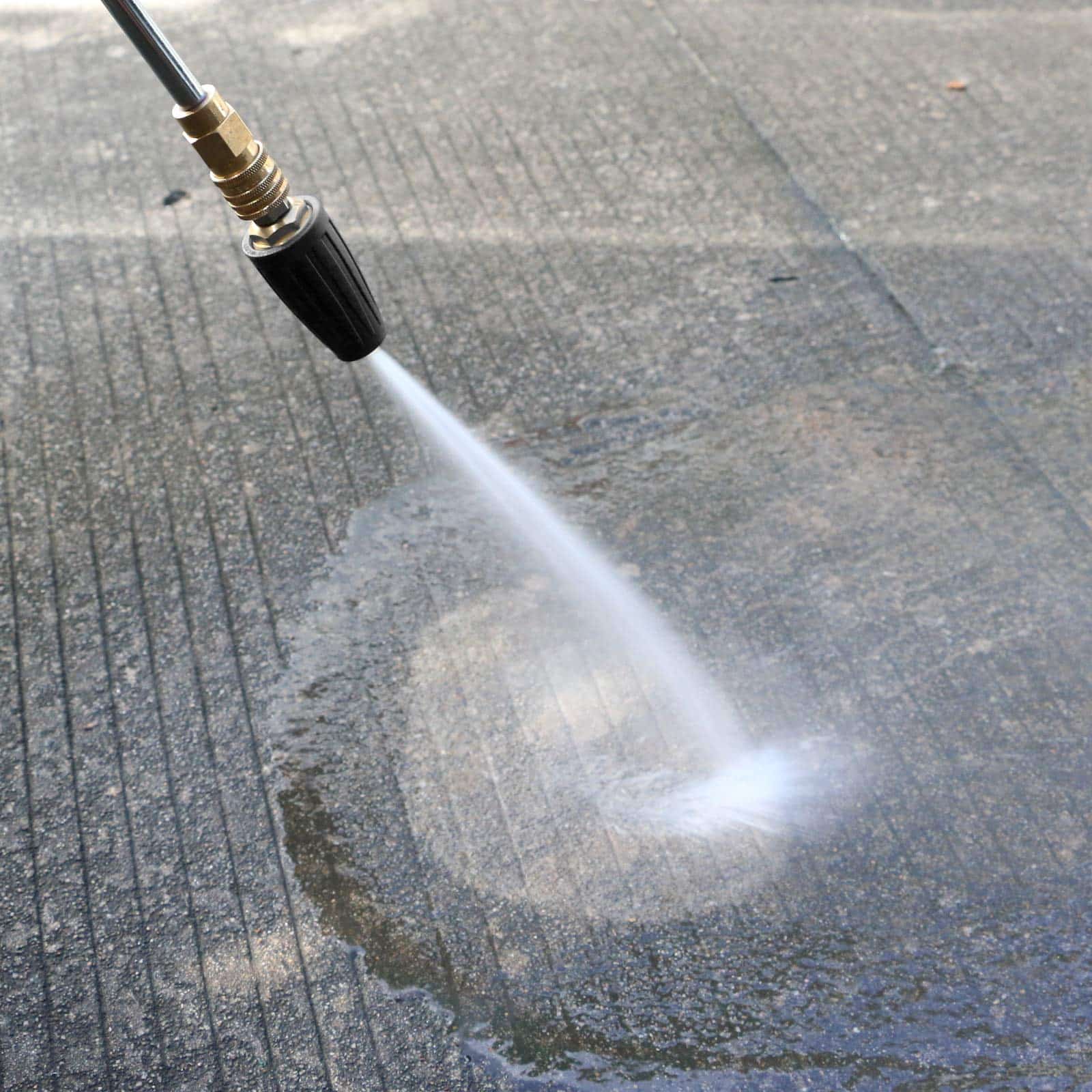
Let’s begin our pressure washing vs. soft washing breakdown. First things first, we’ve got pressure washing. This form of high-pressure cleaning is a fantastic choice for durable surfaces that can handle the force. Pressure washing uses up to 3,500 PSI. That’s 3,500 pounds of pressure on every square inch. In other words, it’s the weight of a pickup truck concentrated on a one-square-inch area.
This goes without saying, but don’t spray yourself with this pressurized water. Doing so could result in serious injury, giving you a one-way ticket to urgent care. Always point your pressure washing hose away from yourself, and only spray the surfaces that you intend to spray. Basic “trigger discipline” will save you money, stress, and pain.
Introduction to Soft Washing
Now that you know what pressure washing is, let’s take a closer look at soft washing. These two techniques actually have a lot in common. They both involve rinsing exterior surfaces to remove debris. The key difference, though, is the amount of water pressure used. Soft washing uses less than 1,000 PSI to remove debris from exterior surfaces, making it a fantastic choice for surfaces that are too delicate to be pressure washed.
What’s convenient is that pressure washers have adjustable dials that let you select the amount of water pressure to use. So, all you need is one set of equipment, and you’ll be able to do pressure washing and soft washing as desired.
What Technique Is Best For My Project?
Choosing between pressure washing vs. soft washing isn’t always easy. That’s why we’ve included a few guides for your reference here. The long story short is this: more durable surfaces can be pressure washed, while more delicate surfaces need to be soft washed instead.
Pressure washing projects include the following:
- Driveway cleaning
- Sidewalk cleaning
- Patio cleaning
- Concrete cleaning
- Paver cleaning
Soft washing is reserved for projects involving more delicate surfaces, such as:
- Roof cleaning
- House siding cleaning
- Stucco cleaning
- Painted surfaces cleaning
- Softwood cleaning
If you’re ever unsure whether pressure washing versus soft washing is right for you, consult Google. Or, reach out to a pressure washing company in your area. They may be willing to give you some advice.
About Soft Washing Cleaning Solutions
Soft washing uses less water pressure than pressure washing. Because of this, it can’t remove as much debris—not without the help of powerful cleaning solutions. These cleaning solutions can be applied to surfaces, immediately breaking down stubborn debris. This ensures that even soft washing projects end with stunning results.
At Water Works Services, our preferred cleaning solution is sodium hypochlorite. We put this chemical on surfaces with a spray applicator, and then, we wait fifteen minutes for debris to be broken down. Finally, we rinse the area again, easily getting rid of all debris.
Sodium hypochlorite is 100% safe for your property and the environment. So when you use it during your appointment, you won’t have anything to worry about!
Beyond Pressure Washing vs. Soft Washing
As you can see, choosing between pressure washing vs. soft washing isn’t always easy. However, there are other considerations you have to make for your project. For example, what time and date are best for your project? Will you purchase your own equipment and learn how to use it? And, finally, should you reach out to a team of experts to do the work for you?
Make no mistake about it: DIY pressure washing and soft washing is tough. It demands your time and energy, and it forces you to learn intensive techniques. Maybe this doesn’t bother you, but if you’re struggling to choose between pressure washing vs. soft washing, it’s possible you’re not cut out for the work.
Contact Water Works Services, and it would be our pleasure to serve you. That way, you can take some time to relax while our professionals do all the hard work.
Contact Us Online Today!
If you are ready for our pressure washing or soft washing, don’t wait to let us know about it. By contacting us online and telling us about your project, we can figure out the best technique for your project. Then, we can provide you with a free cost estimate. There are never hidden fees or surcharges at Water Works Services.
We look forward to seeing you in the near future. Water Works Services will make your property’s exterior clean and put a smile on your face.